Israel has claimed responsibility for a targeted strike that allegedly killed a senior Iranian naval commander linked to operations in the strategically vital Strait of Hormuz, escalating already heightened tensions between the two regional rivals.
According to Israeli Defence Minister Israel Katz, the operation killed Alireza Tangsiri, the commander of Iran’s Islamic Revolutionary Guard Corps (IRGC) Navy, along with several other senior officials. Israel says Tangsiri was directly involved in efforts to develop and enforce maritime tactics aimed at disrupting or controlling shipping through the Strait of Hormuz, one of the world’s most important oil transit routes.
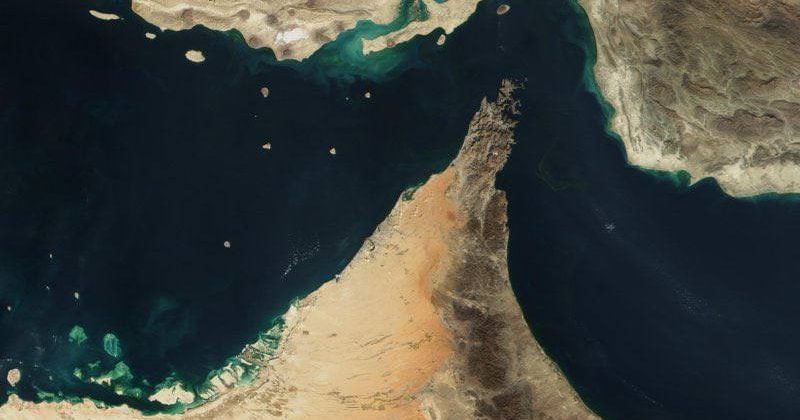
The Strait of Hormuz connects the Persian Gulf to the Arabian Sea and is a critical chokepoint for global energy supplies. Nearly a fifth of global oil shipments pass through the waterway, making it one of the most sensitive maritime corridors in the world.
Iran has previously threatened to restrict or disrupt traffic through the strait during periods of heightened conflict, while the IRGC Navy has been central to Tehran’s maritime strategy in the region.
Israel has not released detailed evidence of the strike, including where or how it was carried out. Iranian authorities have not yet confirmed the death of Tangsiri or commented on the broader claims.
Independent verification of the incident remains unavailable, and details are still emerging amid ongoing regional tensions.
The reported strike comes at a time of increased hostility between Israel and Iran, with both sides accusing each other of escalating covert and military operations across the Middle East.
Analysts warn that any confirmed assassination of a senior Iranian military figure could significantly raise the risk of broader escalation, particularly given Iran’s strategic interests in the Gulf region and its influence over maritime security in the Strait of Hormuz.
If confirmed, the killing of a senior IRGC naval commander would mark a major escalation in the shadow conflict between Israel and Iran. It could also heighten concerns over maritime security, global energy supply stability, and the possibility of retaliatory actions in the Gulf.
For now, the situation remains fluid, with governments and markets closely watching for official confirmation and Iran’s response.