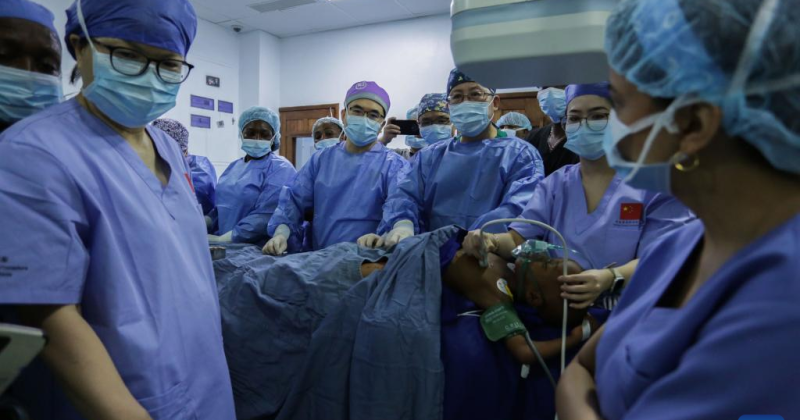
FEB 9 – Heart failure, a condition where the heart is unable to pump blood effectively, is becoming an increasingly common medical concern around the world. Despite its prevalence, it remains a condition that is often misunderstood, leading to delayed diagnoses and a lack of awareness among patients and caregivers alike. This February 10-15, 2025, marks the observance of Heart Failure Awareness Week, an important time to connect with others who are navigating the same challenges, milestones, and hopes related to heart failure.
Heart failure is associated with symptoms such as fatigue, shortness of breath, and fluid buildup in the body, which can severely impact an individual’s quality of life. As the condition progresses, it can lead to more debilitating symptoms and may even be life-threatening if left untreated. According to the World Health Organization (WHO), by 2030, an estimated 15 million people in Africa will be living with heart failure. This highlights the growing urgency to improve both patient care and education surrounding the disease.
One key area where improvements are being made is in the accessibility of clinical education and advanced treatment approaches. Dr. Vijaysihn Patil, an Interventional Cardiologist at The Nairobi West Hospital in Kenya, emphasizes the need for widespread clinician education on the multidisciplinary management of heart failure. As more patients are diagnosed, it is crucial that healthcare providers stay informed about the latest treatment options and therapies to deliver the best possible care. Dr. Patil states, “With more and more people living with this condition, clinician education is vital to ensuring the best outcomes for our patients.”
The Nairobi West Hospital has long been at the forefront of cardiac medicine in East Africa. Over the last decade, the hospital has been pioneering innovative heart failure treatment strategies that have dramatically improved patient outcomes. Through these groundbreaking treatments, the hospital has helped give hope and extended lives for those living with heart failure and other severe heart conditions.
In collaboration with Kenya’s Ministry of Health, The Nairobi West Hospital also operates a heart failure awareness and cardiac consultation clinic. This clinic offers patients cutting-edge educational resources, as well as actionable data on recent advances in clinical care, providing much-needed support for those navigating heart disease.
One of the hospital’s most significant recent advancements is the introduction of a new, non-surgical heart procedure: Like Cardiac Resynchronisation therapy- CRT, AICD- implantable defibrillator, Mitra clip for mitral regurgitation and Transcatheter Aortic Valve Implantation (TAVI) for heart failure related to valve issues, renal artery denervation for heart failure due to severe hypertension. This procedure, which is proving to be a game-changer, is especially beneficial for patients with critical underlying conditions. TAVI is a minimally invasive method used to replace a narrowed or damaged aortic valve—an issue that can lead to severe heart failure if untreated. Dr. Patil explains, “The procedure is designed to reduce exposure to risk, particularly for patients who are elderly or have multiple comorbidities.”
Traditionally, patients with aortic valve issues would undergo open-heart surgery to replace the damaged valve with an artificial one. However, this type of surgery carries significant risks, especially for older patients or those with other underlying health problems. In some cases, the risks associated with open-heart surgery can be fatal. TAVI, on the other hand, offers a much safer alternative by using a catheter to insert the new valve, thus minimizing the trauma to the patient’s body and reducing the overall risk.
“The increasing number of heart failure diagnoses underscores the need for an entire cardiology care team to stay on the cutting edge of management strategies,” Dr. Patil adds. “The Nairobi West Hospital has a long-standing reputation for providing high-quality cardiac care, with measurable improvements in patients’ lives. We are proud to be leaders in this field and to be offering new treatments like TAVI that can dramatically improve the prognosis for many patients.”
As we observe Heart Failure Awareness Week, it’s a perfect opportunity to reflect on the advancements made in heart failure treatment and to spread awareness about the importance of early detection and cutting-edge care. For more information on heart failure awareness or to learn more about the cardiac services offered at The Nairobi West Hospital, please visit www.nairobihospital.com or contact the hospital’s cardiac department.
Together, we can make a difference in the lives of those affected by heart failure, offering hope, care, and innovative solutions to improve their quality of life.